
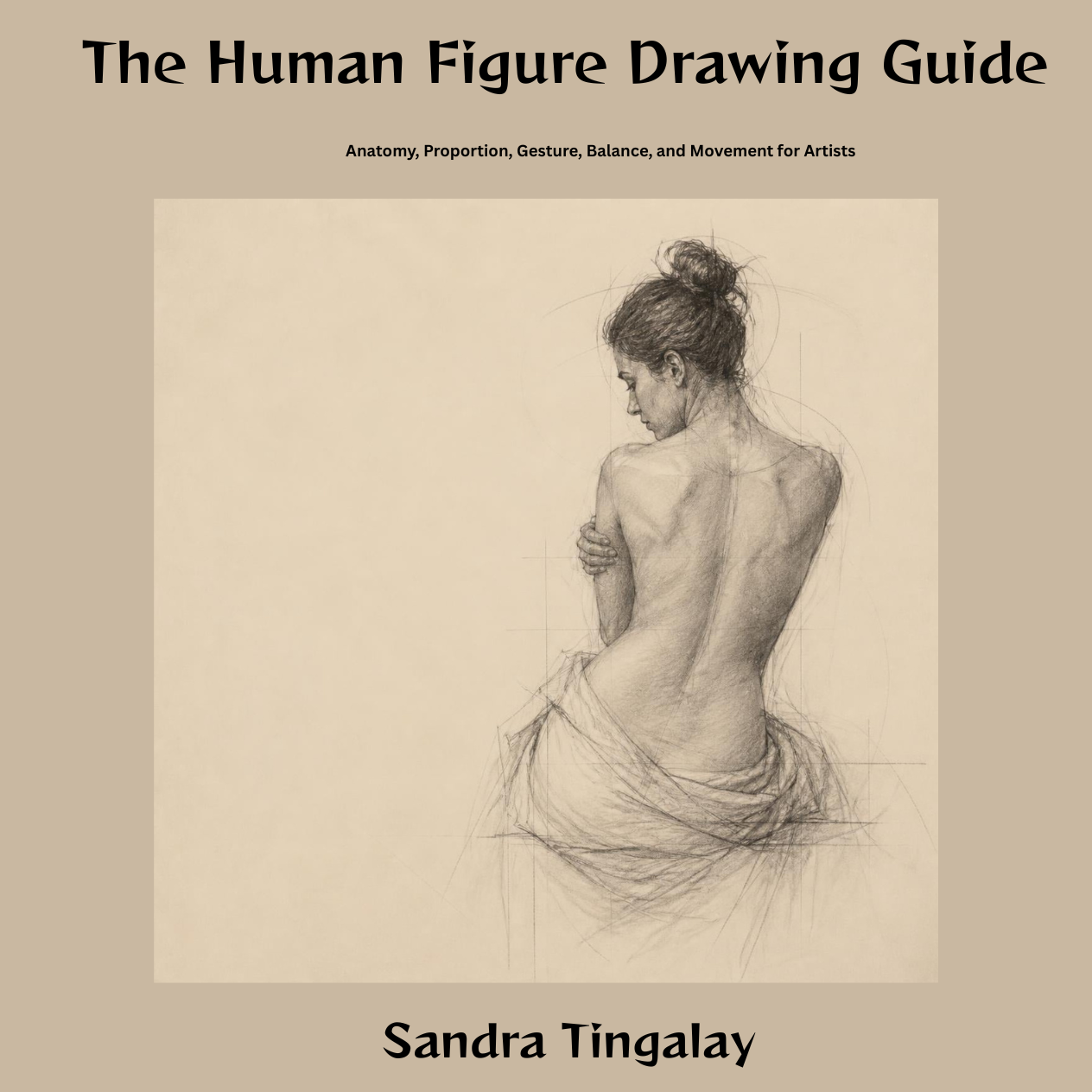
The Difference Between Copying a Figure and Understanding the Human Form
Many people believe that learning figure drawing means simply looking at a model and copying what they see. While observation is an important part of art, true figure drawing goes much deeper.
A skilled artist does not only reproduce the outside appearance of the body. A skilled artist understands the structure, movement, balance, and emotion that exist beneath the surface.
The difference between copying a figure and understanding the human form is the difference between drawing an image and creating a meaningful work of art.
Copying: Seeing Only the Surface
When beginners first study the human figure, they often focus on visible details:
The outline of the body
The shape of muscles
The position of arms and legs
The details of the face
The exact proportions they observe
These elements are important, but copying only what is visible can create a drawing that looks accurate in one specific pose but lacks understanding.
If the pose changes, the artist may struggle because they do not know how the body is constructed.
Understanding: Seeing Beyond the Surface
Understanding the human form means learning what exists beneath the appearance.
Artists study:
The skeleton and bone structure
Muscle groups and how they create movement
Proportion and body relationships
Weight distribution and balance
Gesture and rhythm
Light and shadow on three-dimensional forms
When an artist understands these principles, they can draw the figure from different angles, imagine movement, and create convincing poses.
The Importance of Anatomy Knowledge
Anatomy is not about memorizing every muscle in the body. It is about understanding how the body works.
The bones create the framework.
The muscles create movement.
The skin reveals the surface.
A figure artist learns how these elements work together to create a living, breathing form.
This knowledge gives artists freedom. Instead of being limited to copying a reference image, they can create original figures with confidence.
Observation Is Still Essential
Understanding the human form does not replace observation. Great artists combine both.
Observation teaches artists to notice:
Subtle differences between individuals
Unique body characteristics
Natural posture and movement
Expressions and emotions
Anatomy provides the knowledge. Observation provides the connection to real life.
Together, they create a complete approach to figure art.
Gesture: Capturing Life Before Details
One of the biggest differences between copying and understanding is learning gesture.
Gesture drawing focuses on:
Movement
Energy
Flow
Action
The overall feeling of a pose
A figure can have perfect anatomy but still feel lifeless. Gesture brings the drawing to life.
Before adding details, artists must understand the story of the movement.
Why Great Artists Study Structure
Throughout history, many master artists studied the human form deeply. They did not simply copy what they saw; they searched for the principles behind appearance.
They studied:
Geometry
Anatomy
Proportion
Movement
Balance
This deeper understanding allowed them to create figures that feel alive and timeless.
Developing an Artist’s Eye
Learning to understand the human form changes the way artists see the world.
They begin to notice:
How people stand
How emotions affect posture
How movement changes the body
How light describes form
The artist develops a new way of observing — not just looking, but truly seeing.
Why I Created the Natural Forms and Figures Art Academy
The purpose of the Natural Forms and Figures Art Academy Book Series is to help artists move beyond simple imitation and develop a deeper understanding of figure art.
The series guides students through:
Foundations of figure drawing
Human anatomy
Structure and proportion
Composition and storytelling
Light and form
Artistic expression
Professional creative development
My belief is that every artist can improve when they learn not only how to draw, but how to understand.
From Copying to Creating
Copying can be the beginning of learning, but understanding is the path toward mastery.
A true artist does not only reproduce what the eyes see. A true artist discovers the structure, emotion, and story behind the visible world.
When artists understand the human form, they gain the freedom to create figures that are not only accurate, but alive.