
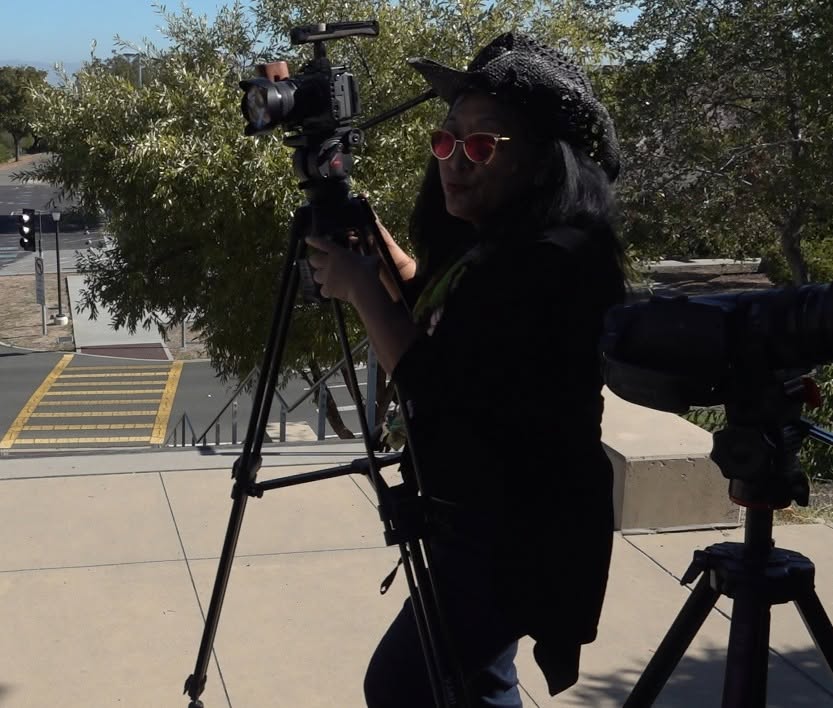
The Director’s Vision: Turning Words into Powerful Images
Every great film begins with a screenplay, but it is the director who transforms those written words into a living, breathing visual experience. A director’s role extends far beyond telling actors where to stand or deciding where to place the camera. The director is the creative leader who shapes the emotional, visual, and narrative identity of the film.
A screenplay provides the blueprint, but the director imagines how every scene will look, feel, and sound. They decide how a moment should unfold, what emotions the audience should experience, and how each visual element supports the story.
A director’s vision begins long before production. It starts with carefully reading the script and asking important questions. What is the central theme? What emotions should audiences experience? What visual style best reflects the story? These answers guide every creative decision throughout production.
Collaboration is another essential part of directing. Directors work closely with cinematographers, production designers, costume designers, composers, editors, and actors. Every department contributes to the film, but the director ensures that all creative decisions support a single unified vision.
Visual storytelling is one of a director’s most powerful tools. Camera movement, lighting, composition, color, and pacing all communicate emotions without relying on dialogue. A quiet close-up may express vulnerability, while a wide shot can emphasize loneliness or freedom. The audience often understands these emotions instinctively, even without words.
The best directors also know when to listen. Filmmaking is a collaborative art, and creative ideas often emerge from actors and crew members. A confident director remains open to suggestions while protecting the heart of the story.
Ultimately, directing is about guiding every creative element toward a common purpose. A clear vision transforms individual performances, images, and sounds into a memorable cinematic experience. Great directors do not simply create beautiful images—they create meaningful stories that remain with audiences long after the film has ended.