
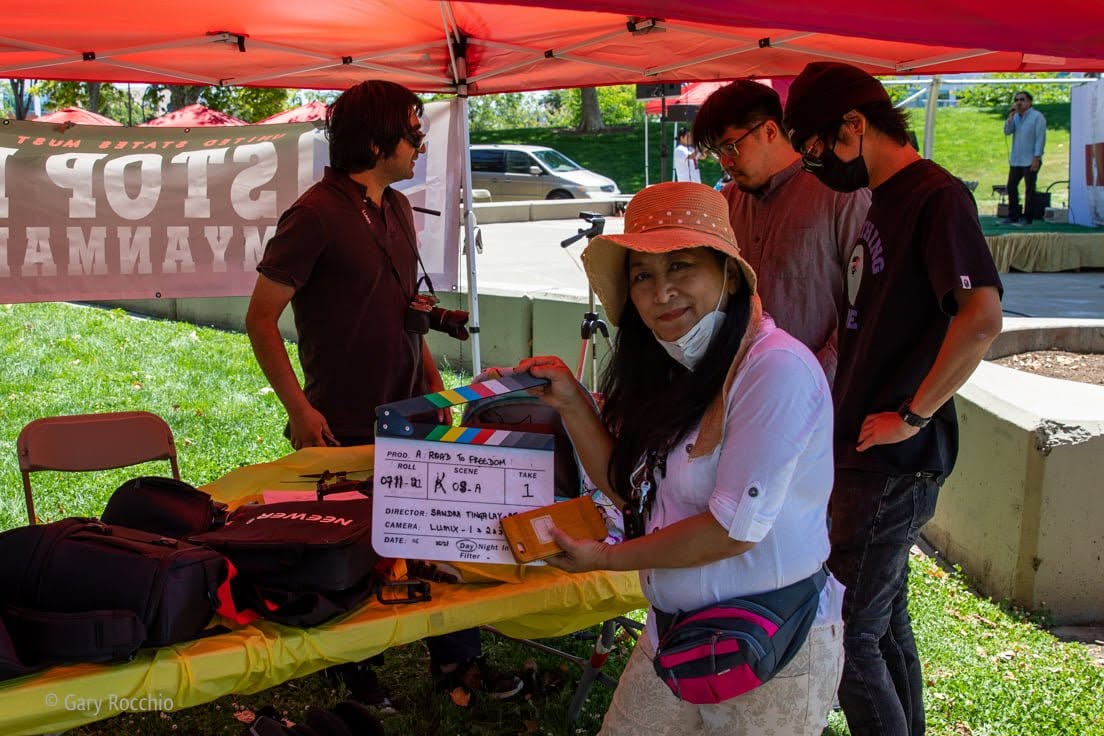
Blocking and Camera Movement: Guiding the Audience’s Eye
One of the most overlooked responsibilities of a film director is deciding how characters move within a scene and how the camera follows that movement. These choices shape the audience’s emotional experience without drawing attention to themselves.
Blocking refers to the planned movement and positioning of actors during a scene. Good blocking reveals relationships, power, conflict, and emotion. A character standing alone in the frame may express isolation, while two characters gradually moving closer together can suggest growing trust or intimacy.
Camera movement should always serve the story. Every pan, tilt, dolly, or handheld shot should have a purpose. Moving the camera simply because it looks impressive can distract from the emotional moment.
Different camera techniques communicate different feelings. A slow push toward a character increases emotional intensity. A wide, static shot may emphasize loneliness or contemplation. A handheld camera can create urgency or uncertainty. Smooth tracking shots often produce a sense of immersion and continuity.
Directors should also consider composition. Every object within the frame contributes to storytelling. Foreground and background elements, lines, shapes, and negative space all influence how audiences interpret the scene.
Successful directors carefully plan these visual choices during storyboarding and shot listing, yet remain flexible enough to adapt when unexpected opportunities arise during production.
The audience may never consciously notice thoughtful blocking or camera movement, but they will certainly feel its emotional impact. Strong visual direction guides attention naturally and strengthens every moment of the story.