
The History of Bagan Art: A Journey Through Myanmar’s Spiritual Heritage
Bagan, one of Myanmar’s most treasured cultural landscapes, is a place where art, history, and spirituality come together. Located along the banks of the Ayeyarwady River, the ancient city of Bagan is home to thousands of temples and pagodas built between the 9th and 13th centuries, creating one of the greatest archaeological wonders of Southeast Asia.
The art of Bagan was deeply influenced by Buddhism. Temples and pagodas were not only places of worship but also living galleries filled with intricate murals, sculptures, and architectural designs that reflected the devotion, creativity, and beliefs of the people who created them.
The Birth of Bagan Art
During the Pagan Kingdom, especially under the reign of King Anawrahta (1044–1077), Buddhism flourished throughout the region. The king’s support for Theravada Buddhism inspired the construction of many temples and encouraged the development of Buddhist art.
Artists of Bagan created magnificent Buddha images, stone carvings, and wall paintings that portrayed scenes from the Buddha’s life, Jataka stories, and teachings about compassion, wisdom, and enlightenment.
The Beauty of Bagan Murals
The murals of Bagan are among the finest examples of Myanmar’s traditional art. Painted on temple walls, these artworks used natural pigments and detailed techniques to preserve stories of faith, daily life, and cultural traditions.
The paintings often show:
Scenes from the Buddha’s journey toward enlightenment
Previous lives of the Buddha through Jataka tales
Royal ceremonies and ancient lifestyles
Traditional clothing, architecture, and social customs
These murals provide not only spiritual inspiration but also a valuable record of Myanmar’s history.
Buddha Images and Spiritual Expression
Bagan is famous for its peaceful and graceful Buddha images. Artists focused on expressing qualities such as calmness, compassion, wisdom, and inner peace rather than simply creating realistic portraits.
The gentle expressions, lowered eyes, and meditative poses of Buddha statues represent the journey toward enlightenment and the search for harmony within oneself.
Bagan Art and Myanmar Culture Today
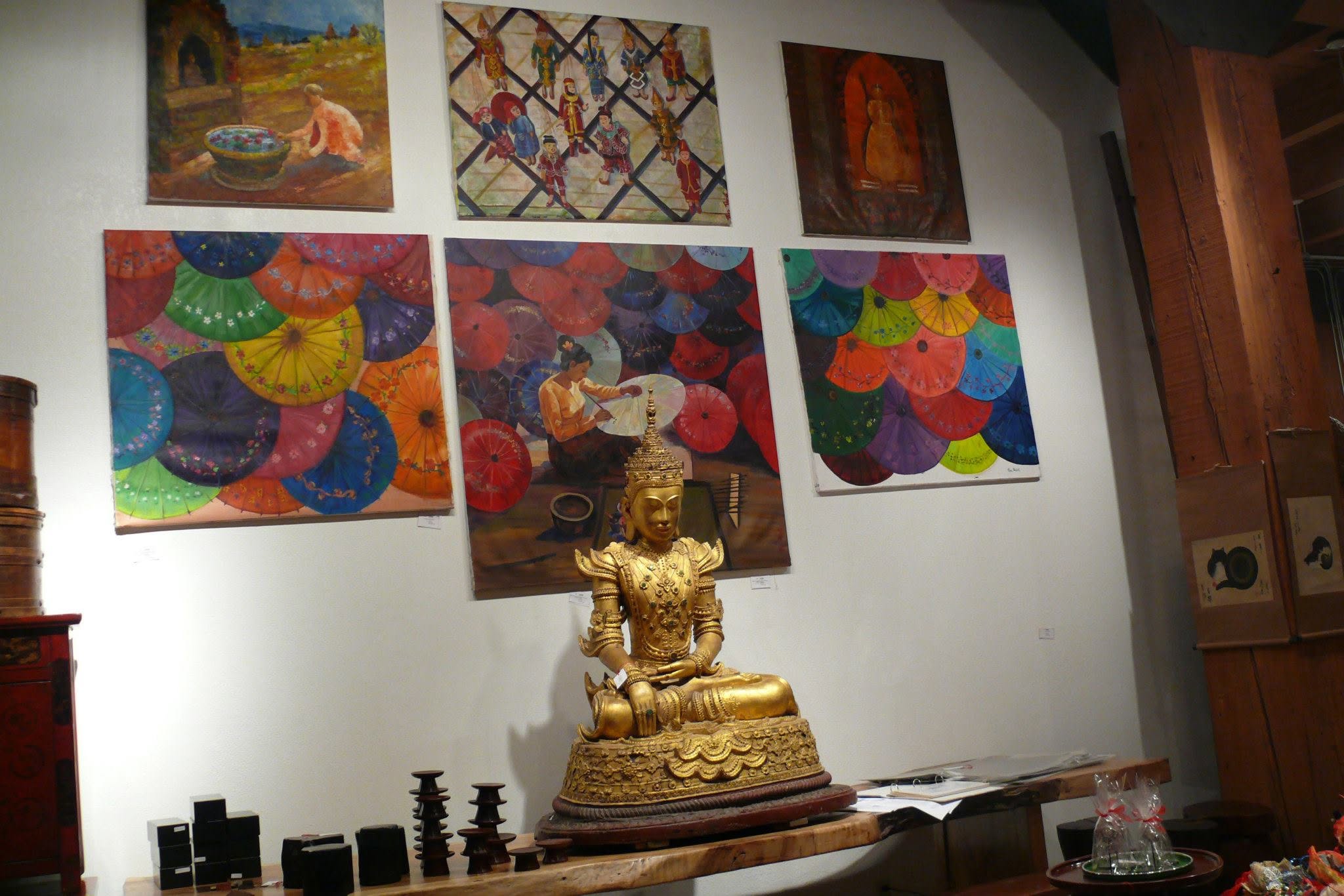
Although centuries have passed, the artistic spirit of Bagan continues to inspire modern artists. Contemporary paintings often reinterpret ancient themes using new techniques while preserving the emotional connection to Myanmar’s heritage.
Through painting, photography, and storytelling, artists continue to share the beauty of Bagan with the world — keeping alive the traditions, spirituality, and cultural identity of Myanmar.
Preserving a Timeless Legacy
Bagan art is more than decoration; it is a reflection of human creativity, devotion, and the desire to preserve meaningful stories for future generations.
Every temple, mural, and Buddha image carries a message from the past — reminding us of the importance of compassion, mindfulness, and the enduring power of art.